
MDMA: What You Need to Know About Risks, Effects, and Legal Consequences
Introduction
MDMA, commonly known as ecstasy or molly, is a synthetic psychoactive substance that affects mood and perception. It has been used recreationally for decades, particularly in nightlife and festival environments. Despite its reputation for producing feelings of euphoria and emotional connection, MDMA carries significant health, legal, and safety risks—especially when obtained through unregulated sources. Understanding these risks is essential for making informed decisions.
What Is MDMA?
MDMA stands for 3,4-methylenedioxymethamphetamine. It is a lab-manufactured chemical compound that acts as both a stimulant and a mild hallucinogen. MDMA increases the activity of three major brain chemicals:
-
Serotonin – affects mood, sleep, and emotional regulation
-
Dopamine – influences pleasure and reward
-
Norepinephrine – increases heart rate and blood pressure
The surge in serotonin is largely responsible for the feelings of emotional closeness and elevated mood that users often report.
Common Street Names
MDMA is often sold under names such as:
-
Ecstasy
-
Molly
-
E
-
X
-
Mandy
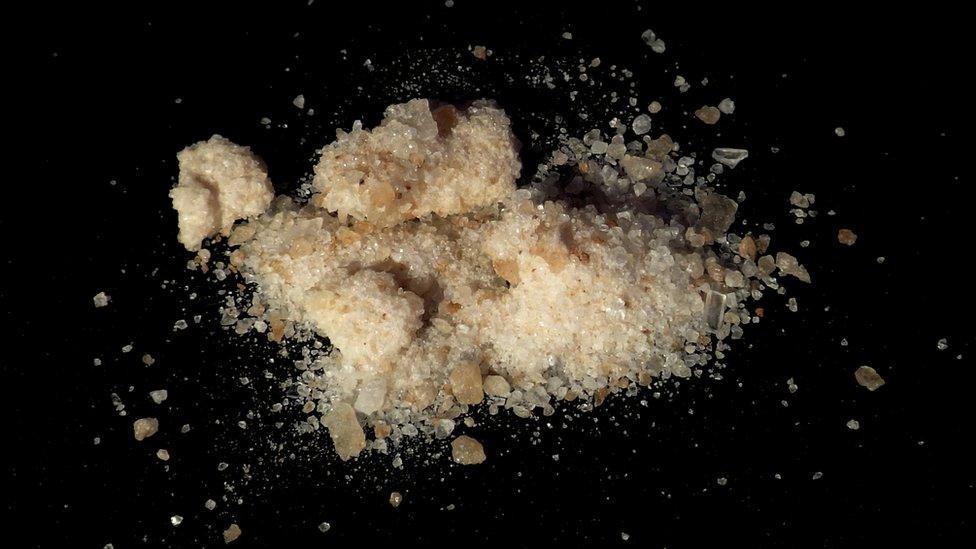
It may appear as tablets, capsules, crystals, or powder. Importantly, products sold as “molly” or “pure MDMA” frequently contain other substances.
Short-Term Effects
The effects of MDMA typically begin 30 to 45 minutes after ingestion and can last 3 to 6 hours, sometimes longer.
Positive Effects Reported by Users
-
Increased energy
-
Euphoria
-
Emotional warmth
-
Enhanced sensory perception
-
Feelings of closeness or empathy
Negative Immediate Effects
-
Nausea
-
Sweating and dehydration
-
Jaw clenching
-
Blurred vision
-
Elevated heart rate
-
Increased body temperature
In some cases, MDMA can cause dangerous overheating (hyperthermia), particularly in crowded or hot environments where physical activity and limited hydration are common.
Serious Health Risks
1. Overheating and Dehydration
MDMA interferes with the body’s ability to regulate temperature. Combined with dancing and warm environments, this can lead to life-threatening heatstroke.
2. Water Intoxication
Ironically, drinking excessive amounts of water without electrolytes can also be dangerous. MDMA can disrupt the body’s sodium balance, leading to a condition called hyponatremia, which can be fatal.
3. Heart and Blood Pressure Complications
Because MDMA acts as a stimulant, it increases heart rate and blood pressure. This can pose serious risks for individuals with underlying cardiovascular conditions.
4. Brain Chemistry Changes
Repeated use may damage serotonin-producing neurons. Some users experience long-term mood disturbances, depression, anxiety, or memory issues after heavy or frequent use.
Risks of Buying Drugs Online
One of the greatest dangers associated with MDMA is the unpredictability of unregulated products. When substances are purchased from illicit online markets, there are major risks:
1. Unknown Ingredients
Products marketed as MDMA often contain:
-
Synthetic cathinones (“bath salts”)
-
Methamphetamine
-
Caffeine
-
Other unknown chemicals
There is no quality control, and buyers cannot verify purity or dosage.
2. Overdose Risk
Without standardized dosing, users may consume far more than intended. Mixing MDMA with alcohol or other drugs significantly increases the risk of overdose and organ failure.
3. Legal Consequences
MDMA is classified as an illegal controlled substance in many countries. Buying, selling, or possessing it can result in:
-
Criminal charges
-
Heavy fines
-
Imprisonment
-
A permanent criminal record
Online purchases are often monitored by law enforcement, and packages can be intercepted.
Long-Term Effects
Repeated MDMA use has been associated with:
-
Memory impairment
-
Reduced attention span
-
Mood disorders
-
Sleep disturbances
-
Increased impulsivity
Some individuals report “mid-week crashes” or depressive episodes days after use due to serotonin depletion.
Mental Health Considerations
While some clinical research is exploring the supervised therapeutic use of MDMA in controlled medical settings, recreational use is entirely different. Clinical trials are conducted under strict medical supervision with carefully measured doses and psychological support.
Unregulated use does not offer these protections and may worsen:
-
Depression
-
Anxiety disorders
-
PTSD symptoms (outside supervised therapy)
-
Bipolar disorder
People with pre-existing mental health conditions are particularly vulnerable.
Addiction and Dependence
MDMA is not typically associated with severe physical withdrawal symptoms like some other drugs, but psychological dependence can develop. Users may:
-
Feel unable to enjoy social events without it
-
Experience cravings
-
Increase dosage over time
Chasing the original euphoric effect can lead to escalating use and higher health risks.
Harm Reduction Awareness
The safest option is not to use illegal substances at all. However, from a public health perspective, education and awareness are critical.
Important safety considerations include:
-
Avoid mixing substances
-
Be aware of overheating risks
-
Recognize warning signs of overdose
-
Seek immediate medical help if symptoms such as seizures, extreme confusion, or high body temperature occur
Emergency medical professionals prioritize saving lives, not prosecuting patients.
Signs of an MDMA Emergency
Call emergency services immediately if someone experiences:
-
Body temperature above 40°C (104°F)
-
Seizures
-
Severe agitation or confusion
-
Unconsciousness
-
Chest pain
-
Difficulty breathing
Prompt medical intervention can prevent permanent damage or death.
Social and Legal Impact
Beyond personal health, illegal drug use can affect:
-
Employment opportunities
-
Travel eligibility
-
Family relationships
-
Academic status
A drug-related conviction can have long-lasting consequences that extend far beyond the initial incident.
Seeking Help
If you or someone you know is struggling with substance use:
-
Speak with a healthcare provider
-
Contact a local addiction support service
-
Reach out to trusted family or friends
-
Consider counseling or therapy
Early intervention greatly improves recovery outcomes.
Conclusion
MDMA is often portrayed as a party drug associated with positive social experiences, but it carries significant health, psychological, and legal risks—especially when obtained through unregulated online markets. The unpredictability of illicit substances makes them particularly dangerous.
Understanding the full scope of potential consequences allows individuals to make informed decisions. If you have questions about substance safety, addiction, or mental health, I’m here to provide accurate, evidence-based information.



Reviews
There are no reviews yet.