
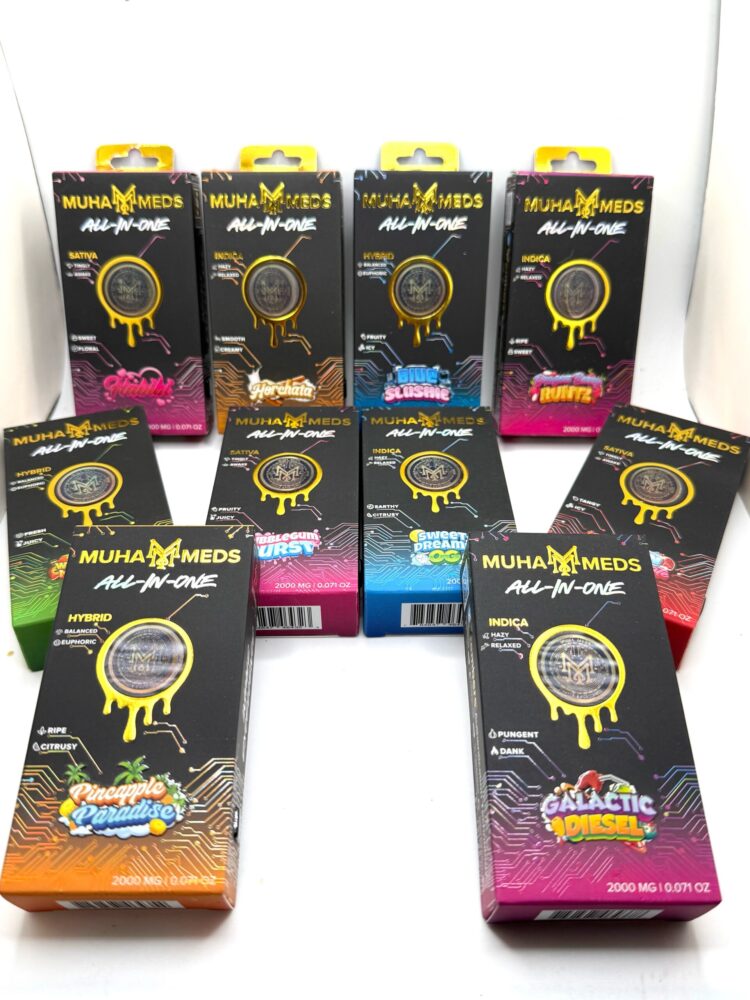
What Is a Vape Pen?
A vape pen is a small electronic device designed to heat a liquid or concentrate into vapor that can be inhaled. These devices are typically portable and rechargeable, making them convenient for users who prefer compact devices.
Modern vape pens are usually composed of several key components:
-
Battery – Provides power to the device
-
Heating element (coil or ceramic heater) – Heats the liquid or concentrate
-
Cartridge or tank – Holds the substance being vaporized
-
Mouthpiece – The part through which vapor is inhaled
The pen-like shape and simple design are the reasons these devices are often called “vape pens.”
Evolution of Vape Pen Technology
Over the past decade, vape pens have evolved significantly. Early versions were relatively simple devices with basic heating systems and limited battery capacity. As technology progressed, manufacturers began improving several aspects of the design.
Improved Battery Life
One major improvement has been battery technology. Newer vape pens often include:
-
Higher-capacity rechargeable batteries
-
Faster USB charging
-
Battery protection systems
These upgrades help ensure more consistent performance and longer usage between charges.
Advanced Heating Systems
Another area of innovation is the heating mechanism. Many newer devices use ceramic heating elements, which are designed to distribute heat more evenly. This can improve vapor consistency and reduce overheating.
Compact and Ergonomic Design
Manufacturers have also focused on portability and aesthetics. Modern vape pens often feature sleek designs, lightweight materials, and discreet shapes that resemble everyday gadgets.
Key Features of Modern Vape Pens
While specific devices vary widely, many modern vape pens share several common features.
Rechargeable Battery
Most devices rely on lithium-ion batteries that can be recharged using USB cables or charging docks. Rechargeable systems reduce waste compared to disposable devices.
Cartridge or Pod System
A cartridge or pod contains the material that is vaporized. Many devices use replaceable cartridges that can be swapped out when empty.
Temperature Control
Some advanced vape pens allow users to adjust temperature settings. This feature can influence vapor production and flavor.
Automatic Activation
Certain devices activate automatically when the user inhales, eliminating the need for a button.
Materials and Build Quality
Build quality is an important factor when evaluating any electronic device. Vape pens may be constructed from materials such as:
-
Aluminum alloy
-
Stainless steel
-
Heat-resistant plastics
-
Ceramic components
High-quality materials can improve durability and help the device withstand daily use.
Manufacturers also design devices with ventilation systems and heat protection to improve safety.
Safety Considerations
As with any electronic device, safety should be a priority when considering vape pens. Consumers should be aware of several important factors.
Battery Safety
Lithium-ion batteries are powerful but require proper handling. Users should:
-
Avoid overcharging
-
Use the recommended charging cable
-
Store devices away from extreme heat
Authentic Products
Counterfeit electronics can pose risks because they may not meet safety standards. Purchasing products from authorized retailers helps ensure authenticity and quality control.
Device Maintenance
Regular maintenance can help extend the life of a vape pen. This includes:
-
Cleaning the mouthpiece
-
Ensuring the cartridge connection is secure
-
Keeping the device dry and free from debris
Regulations and Consumer Awareness
Vape products are regulated differently depending on the country or region. In many places, governments have introduced regulations related to:
-
Product labeling
-
Age restrictions
-
Device safety standards
-
Advertising rules
Consumers should familiarize themselves with local regulations and public health guidelines before purchasing or using any vaping device.
Environmental Considerations
Another emerging issue surrounding vape devices is environmental impact. Disposable electronics can contribute to electronic waste, which is why many consumers are turning toward rechargeable devices.
Key environmental concerns include:
-
Battery disposal
-
Plastic waste from cartridges
-
Electronic recycling challenges
Choosing reusable devices and disposing of batteries properly can help reduce environmental harm.
Common Questions About Vape Pens
How long does a vape pen battery typically last?
Battery life varies depending on device size and usage. Some compact devices may last several hours, while larger batteries can last much longer before needing to be recharged.
Are vape pens difficult to use?
Most devices are designed to be simple and user-friendly. Many require only basic charging and cartridge installation.
Why are modern vape pens smaller than older models?
Advances in battery efficiency and miniaturized electronics allow manufacturers to create smaller devices without sacrificing performance.
Do vape pens require regular maintenance?
Yes. Cleaning the mouthpiece, keeping connections clean, and charging the battery properly can help maintain device performance.
The Future of Vaporizer Technology
The vaporizer industry continues to evolve as technology improves and consumer expectations change. Some trends shaping the future include:
-
Smarter battery management systems
-
More durable materials
-
Improved temperature control technology
-
Sustainable and recyclable components
These innovations may help create devices that are safer, more efficient, and more environmentally responsible.
Conclusion
Vape pens represent a growing category of portable electronic devices that combine compact design with heating technology. Over time, improvements in battery capacity, heating systems, and device construction have made modern devices more advanced than early models.
Reviews
There are no reviews yet.